Adopting the Page: Writing Myself Back to Life
Perhaps long before I was diagnosed with a terminal illness, I felt alone in a way I couldn’t name, but never noticed because it was so much a part of me, like a birthmark.
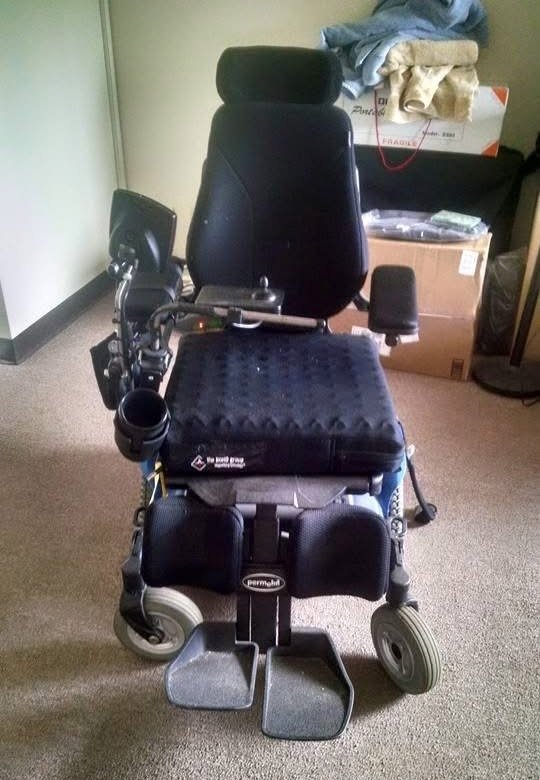
It wasn’t until I had been bedridden for three years after being sent home from a hospice in New England with every painkiller in the arsenal to die in the most gracious way the modern world had to offer, when I began to understand that I was alone in ways that others weren’t. Everyone is born and separated at birth from their mother’s body — that’s what birth is. It’s the condition of man and I had studied philosophy hoping it could explain what my life was to me. Even my autoimmune disease scleroderma was unknown to most and a mystery to those who were paid to know it best.
But now that my life was ending, I could no longer deny that no one cared about me in the way they seemed to care for their own, as if their bodies were connected. And it was during this time that I discovered the ancient sacred medicine of ayahuasca. After years of no sleep and my body screaming in constant agony as it was slowly turning into scar tissue — I could hardly think or even talk. Drinking the medicine alone for the first time, I defied the prophecies of all of my white doctors: though I was never supposed to walk again, my steps were light as I moved about my apartment for the first time in years without pain. But I had to walk through the despair of everything I had always felt I wasn’t supposed to be: gay, Asian, a girl, an atheist — not my family.
Now that my life was ending, I could no longer deny that no one cared about me in the way they seemed to care for their own, as if their bodies were connected.
That was only the beginning of reclaiming my Korean body that I too had abandoned the day my mother left me on the steps of Holt — and walked away forever. And now I could only walk on powerful doses of ayahuasca. But it wasn’t like the steroid-oxycodone mixture my doctors had given, where I could move temporarily only to pay for it later, ayahuasca didn’t mask the pain — it released my body. After drinking alone those first two years before I could access a real practitioner, I felt light, though tired, for the next few days, even up to a week. Eventually, even my menstrual cycle creaked back into action — my body believed I could carry a child.
“That was only the beginning of reclaiming my Korean body that I too had abandoned the day my mother left me on the steps of Holt — and walked away forever.”
When I first considered ayahuasca, the only two people who discouraged me were my brother, lecturing me about the devil’s brew, and an adoptive mother who had helped me when no one else did – bringing me food to the hospital and my own pillow to hospice – because she saw her adopted son’s Korean face in mine. She left as quickly as a body grows cold. But I was still grateful to have had her when I did, to have that look of a mother whose eyes flash that unconscious recognition of kin. It was a look I had spent a lifetime scanning faces for without knowing it, and never found.
But I kept drinking, not knowing what I was doing, yet also aware that this strange thick brown tea was doing something — physically and I suppose spiritually, though I would have never admitted it then. With no guidance, it took longer than it otherwise would have to evolve my intention, that fine-tuned aperture that focuses a person. At some point I gave up asking the medicine to save my life and instead asked it who I was. That’s when I saw Nilu, my Asian writer friend in high school, my first sense of real tribe. The first person who didn’t know me as my white family’s daughter. The one who called me to read me a poem she just wrote. The one whose mother asked me, “Who will write poetry for you now?” at her funeral. When she was killed violently in a car crash just before we were off to college, I could no longer bear to write, falling into a dark cloud of marijuana that I wouldn’t emerge from for 20 years.
“At some point I gave up asking the medicine to save my life and instead asked it who I was.”
Sitting on the second-hand couch in my apartment two decades later, I realized that the night of her death, smoking had moved from social signaling to a survival skill. I had never actually left that night. All these years I was still sitting motionless on my mom’s bed after she told me that the only person with whom I could share my secret heart was dead. Never having truly grieved her, that day in my apartment over my empty ceremony cup, I began to feel that when she left, she took my youth with her.
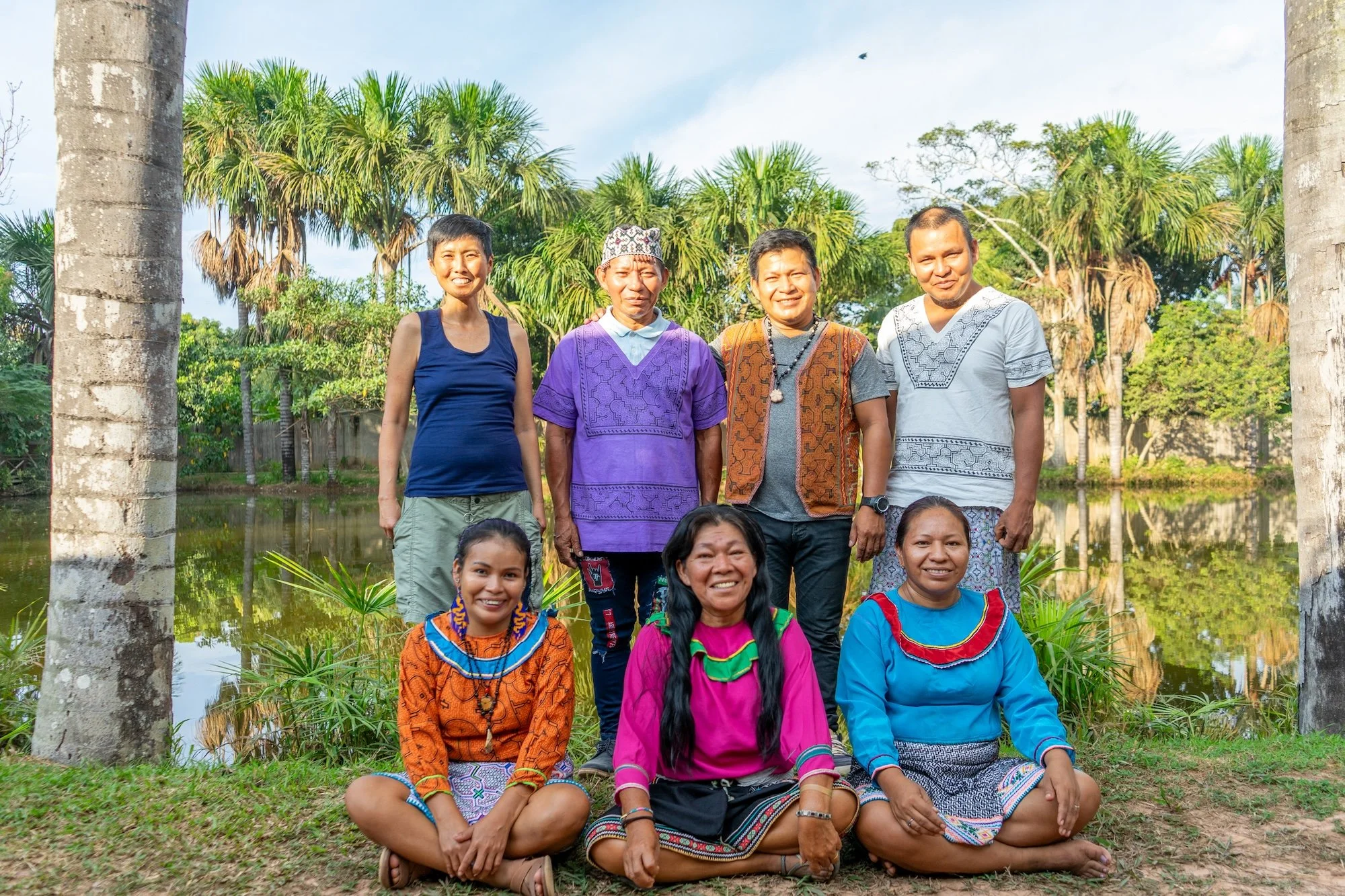
My relationships with Shipibo healers in Peru became an important part of my healing journey and informed the reflections I share here.
After the visions lifted, I began to write again after two decades until it, too, became medicine. The more the plants turned me into medicine, the more they became my family too, and the more my writing began to speak to others, offering what nothing else in life had: my voice. I was able to write about Nilu so that others could meet her — and love her too.
“The more the plants turned me into medicine, the more they became my family too, and the more my writing began to speak to others, offering what nothing else in life had: my voice.”
Over the course of a decade, these stories that I wrote here and there became my book, a graveyard of sorts. My elegy. Buried in its pages is a past life, a sort of heaven mixed with hell, where all those who have passed live. I kept digging all the way down – gay friends lost to AIDS, death threats in high school, sexual abuse – until I, at last, got to my adoption, the faceless woman who bore me then left.
Underneath the grieving of my own impending death and body, underneath the grieving of Nilu and the adopted life I once thought was real, I saw that buried below was an inconsolable aloneness. The aloneness I could never explain because the part of me that was abandoned never learned English. It only ever knew the language of care. It came, in part, because I couldn’t comprehend why I was so utterly alone until I asked others for advice. But there was none to give — those I had asked would never find themselves in this position. Their families would care for them.
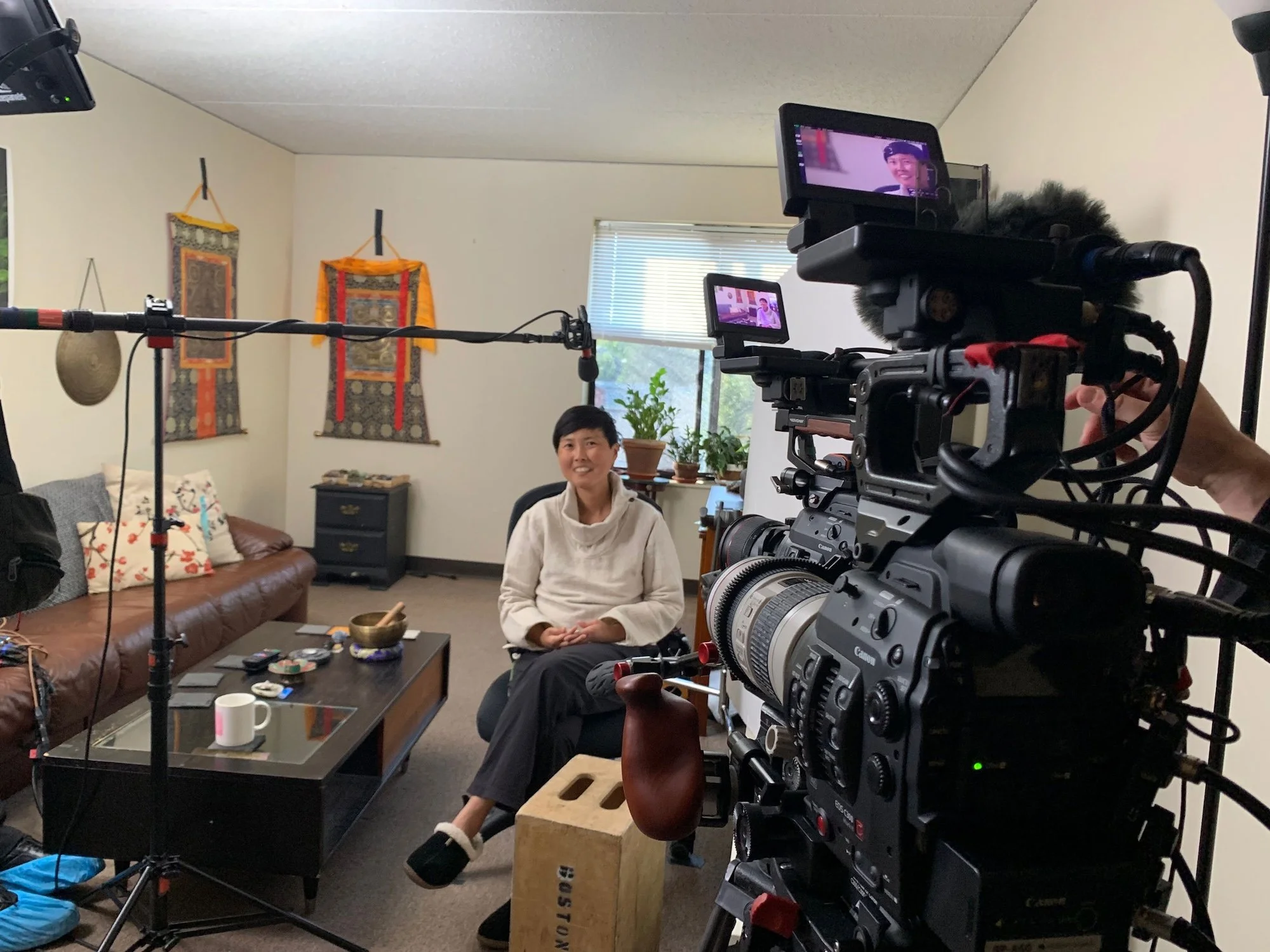
Filming for Netflix's Unwell. Years before sharing my story publicly, I was writing my way through illness, loss, and the profound aloneness I traced back to adoption.
I wrote into and through this pain until my aloneness became a kind of freedom and solitude — I wasn’t just writing about the dead, or my adoption, I was writing myself back to life, until eventually, I arrived at a new life, unimaginable before I fell ill. Writing became ceremony. There, I could think, feel, and say anything. Though I couldn’t yet walk in life, on the page, I could fly. And strangely, I even began to find a sacred gratitude to my abuse, my history — even my illness, a sort of cosmic intervention that, through the plants, took me to my origins so that I could live a life I wouldn’t have otherwise known was my birth right.
“Writing became ceremony. There, I could think, feel, and say anything. Though I couldn’t yet walk in life, on the page, I could fly.”
Now Nilu lives on, as do I. She lives on in my pages, and I aspire to live as a scribe, as medicine. As someone who has returned to my homeland, myself, the jungle, and the page in the body I was told didn’t matter, but now love as if it were my own child. I, at long last, have adopted my own voice, my pen, and my truth.