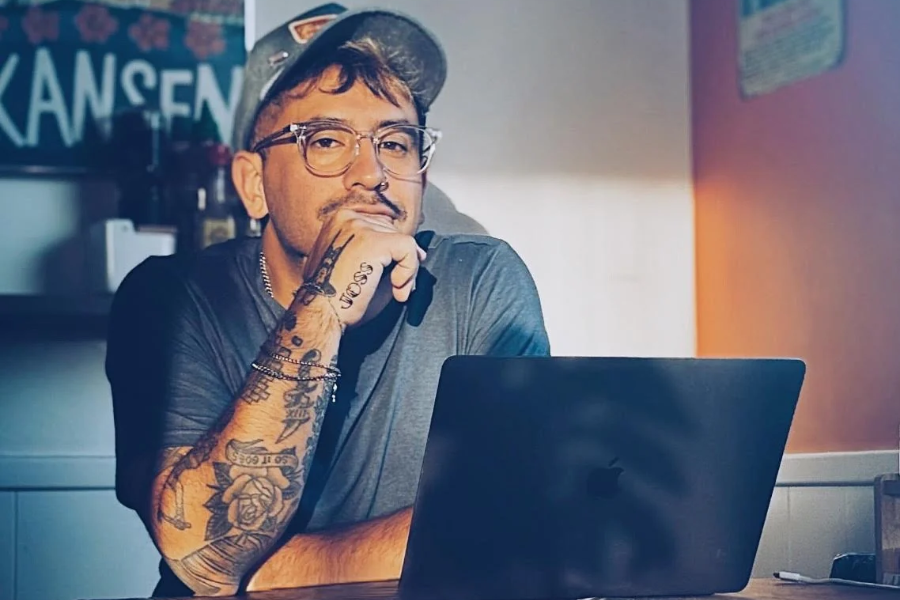
In part one, Jay Barbanel told us what he was really avoiding all those years he put off therapy. In part two, he goes deeper into masculinity, grief, and what adopted men keep carrying even after healing begins.
Powering through it alone
Looking back now, how do you think masculinity shaped the way you carried your adoption story? Were there emotions or questions you felt you weren’t allowed to have or show as a man?
As a man that’s adopted, I remember struggling silently for so long, questioning identity, grief, abandonment, belonging. The days of feeling sad, being angry, shutting down but then putting a face on for the world because I didn’t want to feel or be seen as weak.
Looking back, I question: was I not allowed to feel those things because I was adopted, because I was a man, or because I was both?
I thought being a man was about powering through it all alone. Now I’m learning that part of being a man is about understanding yourself and sharing your truest self to all aspects of life.
“I thought being a man was about powering through it all alone.”
Unlearning “figure it out by yourself”
You’ve said men are taught to “figure it out by yourself.” What did unlearning that actually look like for you?
It took a lot of work. I remember the first few sessions with my therapist (therapy being the main catalyst in my healing). It was so hard to open up and express my feelings. Part of it may have been telling someone out loud the emotional secrets I was holding, but I think part of it was also hearing myself finally admit how painful it all was.
Sometimes I still struggle with wanting to figure things out myself, but now I remember to make mental notes to bring topics back into therapy instead of carrying them alone.
Healing isn’t an ending
You’ve become an advocate for men’s mental health. What conversations about men’s mental health and adoption do you feel still aren’t happening enough? What do you wish more people, both adoptees and non-adoptees, understood?
The questions and pain don’t just go away. Those are things we will carry forever. Over time, we change as people, that’s part of what makes life beautiful. Right now there’s space to talk about how we healed. I think we need to open up more about how we can continue to heal when life continues.
I still have questions, I still feel grief, shame and all the other emotions that commonly come with our experiences. But we need to remember, just because we’ve connected some pieces, doesn’t mean that there aren’t still internal struggles.
So let’s shy away from celebrating healing as if it’s an ending and start talking about living with healing as an ongoing process.
“Let’s start talking about living with healing as an ongoing process.”
Healing without all the answers
You mentioned almost “teaching” your therapist about adoption. What do you wish more therapists, or more men in general, understood about how adopted men specifically carry grief differently?
Part of therapy is asking a simple question like, “Why does this happen? Where does this derive from?” Is it generational trauma? Is it rooted from an experience in life? What happened that made me this way?
Most people assume healing comes from finding answers. Adoptees often have to learn to heal despite never receiving all the answers. That can lead to carrying unanswered questions internally.
That’s really hard to grasp and understand. It’s a feeling of emptiness behind something you are so desperately trying to fill. Sometimes through reunion or through going through your files, you learn things, but there’s this never-ending feeling that there may be some things we are never going to truly heal from.
“Adoptees often have to learn to heal despite never receiving all the answers.”
To the adopted man who isn’t ready yet
Imagine an adopted man is reading this who knows he’s struggling but still can’t imagine asking for help or starting therapy. What would you want him to hear from someone who’s been where he is?
Trust yourself, connect with yourself, be proud of yourself for even thinking about why things are confusing or why you’re struggling. That part can be really hard!
But try and keep it simple at first. Go for a walk, jump in the ocean, walk through the woods, leave your phone at home and allow yourself to think and connect with who you are right now.
Question yourself and don’t jump for answers. This is a process, allow it to be. It can be scary to start therapy, but as someone who has faced some of my biggest fears in life, I can tell you, I’d face them all one hundred times over if it gets me to where I am and where I want to go.
“This is a process, allow it to be.”
Keep following Jay’s story
If you haven’t yet, start with part one of Jay’s Spotlight and watch his full interview, where he talks about his adoption from Costa Rica, being separated from his brother, and returning to his birth country.
You can read more of Jay’s story in his memoir, Finding Tico, and follow his work on Instagram at @finding_tico and @thatkidjay1.
